







Onggi Bangkok
Bangkok, Thailand
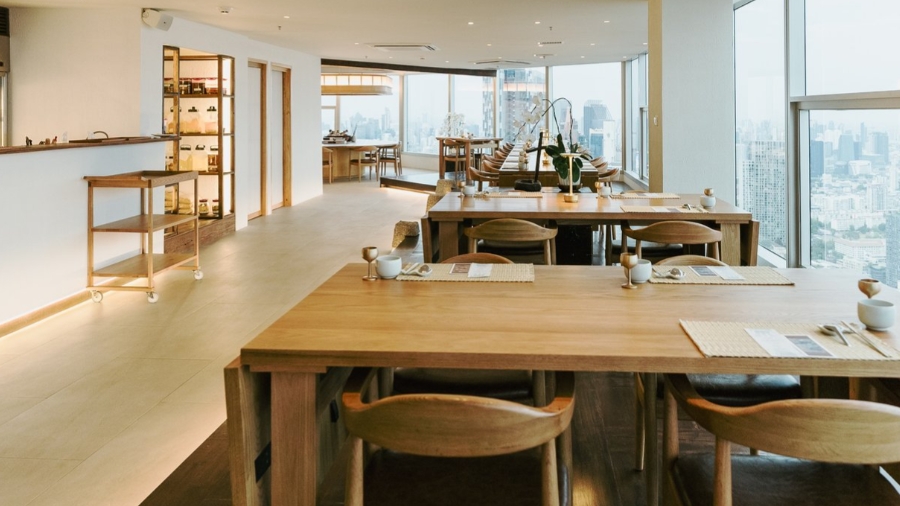
Named after traditional Korean earthenware vessels known for their role in fermentation, Onggi invites guests into a Hanok-inspired space where jang, cheong, vinegar, and alcohol quietly age.
OVERVIEW
Onggi are traditional Korean earthenware vessels initially created for storage purposes. Its unique porous structure and natural quality created a perfect vessel for fermentation, which gave rise to the flourishing of Korea’s unique fermented food culture.
Chef Injin Kim’s vision at Onggi is to showcase Korea’s fermented food culture. To deliberately continue exploring the inherited traditions of Onggi fermentation with Thai ingredients.
Onggi offers more than just a meal. When you enter, you will be taken to a Hanok, a traditional Korean house with a variety of jang, cheong, vinegar, and alcohol that are aging and waiting for the right time to be opened. It is a place that will take you back in time, to your favorite dishes by your grandmother, it’s a place where it feels like home.
AMBIENCE
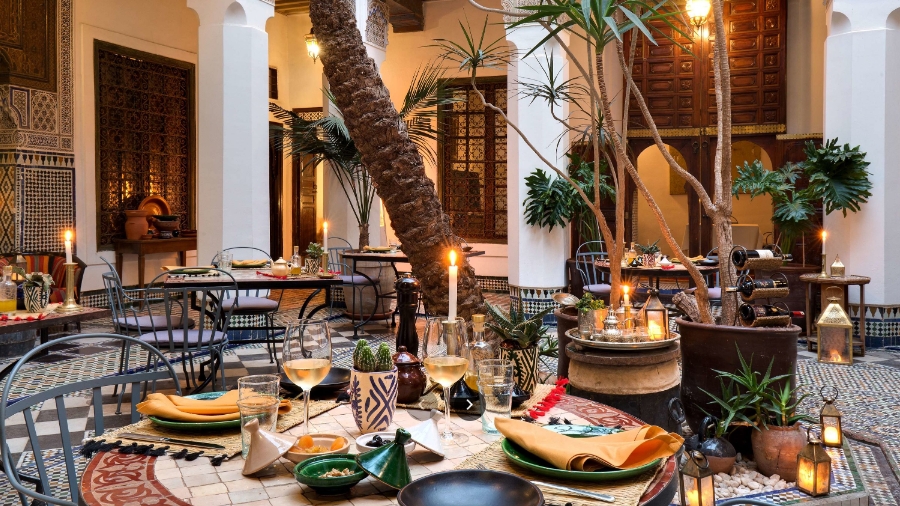
Inspired by Hanok, a traditional Korean house, which reflects balance, harmony, and nature, Onggi focused on minimal design so that guests can feel a sense of calm can relax, enjoy the food with the view, and time with family and friends. The entrance is decorated with a tall onggi and a door made with wood from Chiangmai. As the door opens, guests are greeted with an unblocked view of the Chao Phraya River, and on days the weather is clear, a glimpse all the way to Pattaya.
All the decorative furniture is something that could be easily found in any household once upon a time. The tables are put on top of maru, on a raised wooden floor. Maru is a very important place in hanok. Made from wood, it represents a multi-purpose space, such as a living room, dining room, and a place for people to gather. It also represents somewhere high up, it is a place for people to gather together, and it also means highest as well.
The fermentation room showcases all the craft liquors, wines, cheong, and vinegar that are made at Onggi and are used in the food. It is a place where guests can share their memories growing up and seeing something similar from their home or at their grandparents' place, and also learn about a Thai ingredient such as makhao wua makhao kway.
Doors are made with hanji, traditional Korean paper doors that you can see in the hanok. Also, they are used as stand-alone dividers for guests who would like privacy and enjoy the view as well. Guests are welcome, whether it is small or large gatherings, which are made eventful by rearranging the tables to be one long table and also seating at the round table.
MUST TRY
From Hanjeongsik:
- Juansang
The six different bites served are a great way to enjoy and understand each jang’s deep taste along with yuja makgeolli. Yuja is yuzu in Korean. Our house-made makgeolli is a low-alcohol, carbonated beverage that has a refreshing sourness and fizziness. It is a great source of lactic acid as well.
- 15 Cheob Bansang
Banchan is about finding the best mix of taste with rice; it can be just one banchan that you love, or a mix of several. So each time you eat, there will always be something new. Also, it is about bae-ryeo (배려), the sharing and enjoying food with others, and making sure that everyone eats well and feels genuinely taken care of.
From Express Business Lunch
- Ginseng Whole Chicken Stew
Made with Chef Injin’s special recipe, it offers a warm and hearty soup for the soul. The ingredients used, such as turnip, will help with your digestion so that you’ll feel energized after eating the meal.
FOOD
Onggi Hanjeongsik
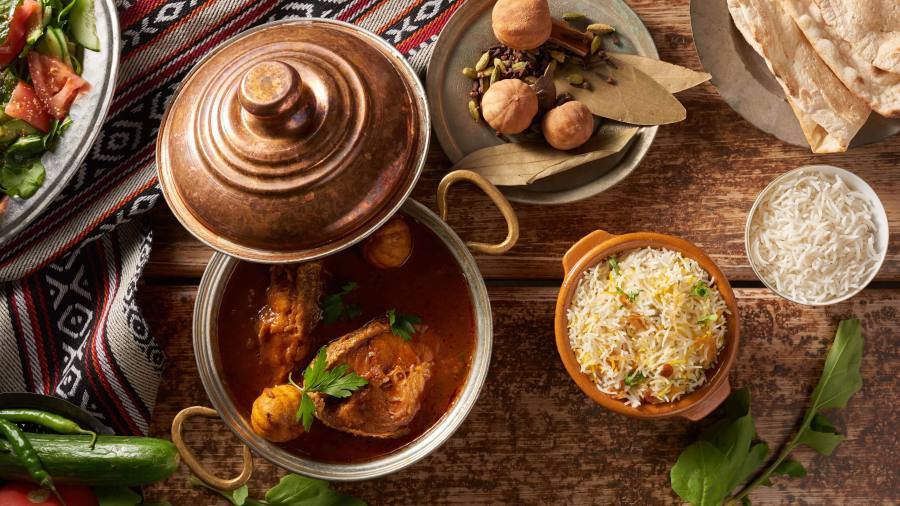
The meal begins with Onggi’s signature welcome drink made with makhao wua makhao kway cheong, then jang tasting. Jang is are sauce that is the base of Korean food. Guests will be served a tasting set of four jang that are made in-house: doenjang-soy bean paste, gochujang-chili pepper paste, eoganjang-fish sauce that has been aged 13 years, and jocheong-fermented rice syrup.
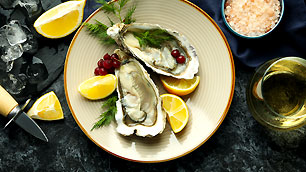
Then comes the Juansang, a set of six different bites with Onggi’s house-made jang, served with a makgeolli blend. The next two dishes are Gui-river prawn served with gochujang sauce and mango jangajji. Jangajji is pickled vegetables, usually in ganjang (soy sauce), doenjang (soybean paste), or gochujang, and Guksu-made with oysters from Suratthani and served with 3 different types of seaweed and dongchimi ice. Dongchimi is one variety of kimchi, made with radish, napa cabbage, scallions, pickled green chilli, ginger, Korean pear, and watery brine, and was traditionally consumed during the winter season. It has a clean, fresh finish to the taste that refreshes the palate.
Then comes the main 15 cheop bansang with rice. Cheop means the banchan, so 15 different types of banchan are served. The ingredients may differ based on the season, but the method will be the same, namul – a variety of edible greens or leaves or seasonal herbal banchan, jorim – simmered vegetables, meat, fish, seafood or tofu in seasoned broth, muchim – seasoned vegetables, bokkeum – stir-fried dishes, jeotgal – salted preserved seafood, kimchi, jang – geyjang (marinated crab), and a selection of protein, either gui-charcoal grilled wagyu neobiani or jjim-1 year aged kimchi with pork cheek.
For kimchi, three types of kimchi are served. The fresh kimchi is made in front of the guests to show how it is made and share about Gimjang culture, the traditional Korean culture of making and sharing large quantities of kimchi in late autumn to last through the winter.
All of this is enjoyed with hot steaming organic rice by a Korean farmer in Chiang Rai.
After the bansang is finished, iced kombucha with ginseng joenggwa is served. Jeonggwa is a traditional Korean confection made from fruits, roots, or seeds that are simmered in a syrup of honey or sugar. At Onggi, we use our jocheong, then dried to a chewy texture.
To finish the meal, Dagwasang, an array of desserts to finish the meal and relax over goguma ice cream with LA tteok, gochujang jelly, and house blend tea.
PRICING
Hanjeongsik THB 3,950++, Business Express Lunch Set THB 1,500++ to THB 1,800++
ABOUT CHEF
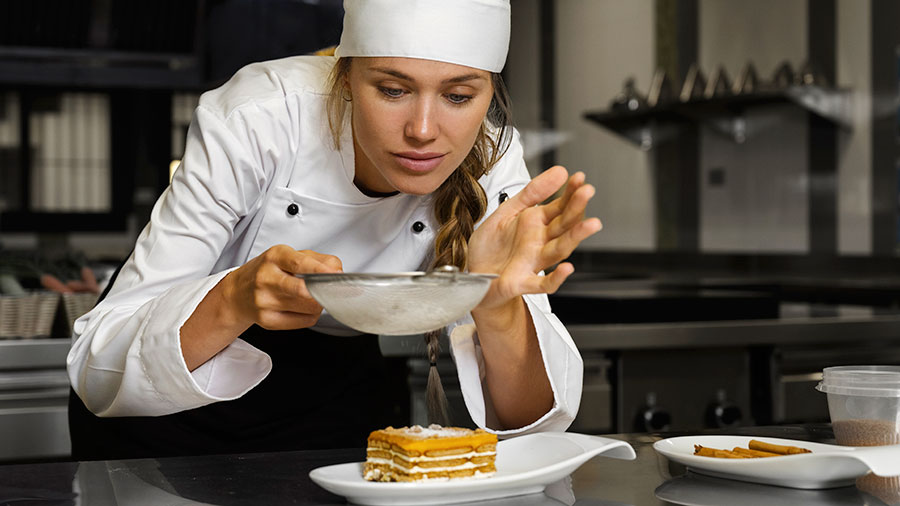
Chef Injin Kim is a Korean Chef based in Bangkok for 20 years and the Owner and Executive Chef of Onggi Bangkok and Banjoo BBQ. Through her private ventures, she has continued to advance this goal as the acceptance of Korean cuisine and culture continues to progress in Thailand and beyond.
Address:
Level 55, EA, Empire Tower1 So. Sathon Rd, Yan Nawa
Sathon, Bangkok, Thailand
 Gastronomy Cities
 Amazing Food
 Chef's Talk